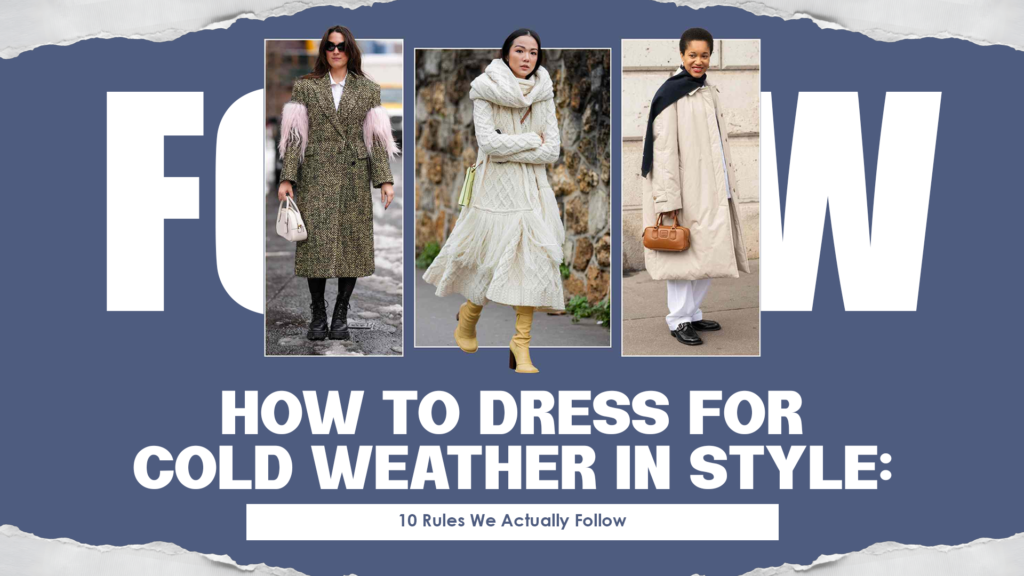
Three layers are essential when dressing for cold weather: a coat that blocks the wind, something warm in the center, and something thin against your skin that can handle perspiration. You can be warm and fashionable down to roughly 10°C without appearing like you’re on your way to a ski lift if you get things right and add a cap and boots with good traction.
Being an all-niche website, The Style Tendency covers everything people are talking about, including travel, fashion, technology, and the most recent global news. The identical query appears in our inbox each November. This is our response, which was developed over many chilly mornings and numerous unsuitable outfits.
How to Dress for Cold Weather: Our 10 Rules
These are our actual winter layering recommendations. We begin at the skin and work our way out.
Choose the Correct Base Layer (and Ignore Cotton)
Up until you perspire, cotton is good. After that, it remains moist against your skin for several hours.
We discovered this when trekking uphill in a cotton long sleeve from Karaköy to Galata Tower on a trip to Istanbul in January. We were damp by the top. We were cold twenty minutes later, standing motionless in the wind off the Bosphorus.
Wool and merino is used to fix it. Heattech from Uniqlo is a less expensive choice that works well on city days but gets sweaty when you walk a lot. The extra cash would be used for anything active on Merino.
The majority of the work is done by your sweater.
The warmth is actually found in the intermediate layer. Fleece and lambswool both effectively retain heat. Since a fleece in a fancy restaurant still looks like a fleece, we save the fleece for errands and wear lambswool to dinner and the office.
Three thin layers are warmer than one thick one, and they’re easier to adjust when you go indoors. REI’s guide to layering goes into more detail.
Measure Your Coat to Fit What’s Underneath It
This is the most common error we encounter. When wearing a T-shirt, someone purchases a coat in October, but by December, they are unable to raise their arms in it.
Go to the store with your thickest sweater. Put it on, cover it with the coat, and extend your arm as if you were reaching for a steering wheel. Go up a size if the back is too tight.
A long wool coat in camel, black, navy or gray goes with almost everything. It’s also the backbone of celebrity fall street style.
Puffer or Wool Coat? We Have Thoughts
We think puffers are overdone for city wear. There is no dispute about their warmth.
On Saturday, a charcoal or navy wool coat goes well with jeans, and on Monday, a suit. On the label, we check for at least 70% wool.
One exception exists. Purchase the puffer if you reside in an area where temperatures frequently drop below 15°C, such as Toronto or Chicago in February.
Once, we attempted to get a wool coat through a Toronto winter. In the second week, we gave up.
A Single Piece Becomes Loud
Nobody is able to stop the trend of black and blue in winter ensembles. That is broken up by one dazzling piece. A scarf of rust. a beanie made of mustard.
Every winter, a friend of ours dons an all-black ensemble with a crimson Acne Studios scarf. She doesn’t care that no one remembers anything else she wears.
On most days, turtlenecks outperform scarves.
Without the need to readjust every five minutes, a turtleneck keeps your neck warm. Sharp merino looks good under a blazer. It seems like Sunday to eat one with big ribs under a parka.
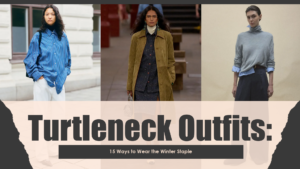
Are you stuck on combinations? There are several options in our guide to turtleneck attire.
First, cover the areas that get cold.
Fingers and ears go first. You will be more comfortable with lined gloves and a wool beanie than with a second sweater.
We now keep extra gloves in every coat pocket after losing three pairs in one December. We haven’t yet seen a pair of touchscreen gloves that consistently function with a phone and stay warm below freezing, despite the fact that they seem like a clever idea. If you have, let us know.
Purchase Boots for Slush, Not Just Appearance
For about an afternoon of slush, suede looks fantastic. The salt lines then appear.
Seek out water-resistant leather and a rubber lug sole with genuine traction. Both Timberland and Blundstone 6-inch boots work well on damp city pavements and go well with most cold-weather ensembles, including wool pants and jeans. Wear these with thick wool socks. This is more important than most people realize.
For more options, our roundup of top footwear trends to complete any outfit covers what people are wearing this season.
Keep the Palette Tight
Two or three colors, repeated head to toe. Grey trousers with a grey knit and a charcoal coat will look put together even if you got dressed in four minutes.
Celebrities rely on this all the time. Count the number of outfits that stay in the same color family as you browse our celebrity street style roundup for fall.
When the Colors Are Quiet, Combine Textures
Texture prevents everything from being flat if it’s all gray and blue. A quilted jacket made of corduroy. Leather versus cashmere. We disregarded this guideline the most, and it ultimately changed our winter wardrobes more than any coat.
For 5,000 years, people have been layering.
The concept of layering is not new. Approximately 5,300 years ago, Ötzi the Iceman was discovered in the Italian Alps in 1991. He was dressed in layers of fur and leather, possibly with a grass cloak on top.
Much later, fishermen in the Channel Islands and on Ireland’s Aran Islands knitted dense wool sweaters to survive long days at sea. The three-layer system outdoor brands sell today came out of 20th-century mountaineering and military kit before it drifted into everyday clothes. We’re doing the same thing Ötzi did, just with better coats.
Frequently Asked Questions
What is the best way to dress for cold weather?
Wear a merino or synthetic base layer, then a warm sweater or fleece, then a windproof coat. Below about 5°C, add a hat and gloves.
How do I stay warm and stylish without looking bulky?
Keep the layers close to your body thin and let the coat carry the bulk. If you’ve felt like a marshmallow every winter, the cause is usually a base layer that’s too thick or a coat that’s a size too small.
Is Uniqlo Heattech warm enough for winter?
For city days around 0°C, yes. For long walks or anything that makes you sweat, merino handles moisture better.
What should I avoid wearing in cold weather?
Cotton next to your skin, and suede boots on slushy days. We ruined a pair of suede Chelseas in one wet Manchester afternoon, so learn from us.
What are good cold weather outfits for work?
A merino turtleneck under a blazer with wool trousers and leather boots, then a long wool coat on top. It holds up on the commute and looks right in a meeting.
The Short Version
If you remember one thing about how to dress for cold weather, make it this: thin layer, warm layer, windproof layer. Everything else on this list is about making that combination look good.
Constantly chilly? First, fix the foundation layer. Are you tired of wearing cold clothing? The coat should come first. For outdoor activities in severe cold, see REI’s guide to dressing for cold weather.
When you’re looking for springtime inspiration, return to The Style Tendency since we constantly post new style guides and stories from across the globe.